
Your 10 FAQ questions about peanut butter answered
Common questions about peanut butter
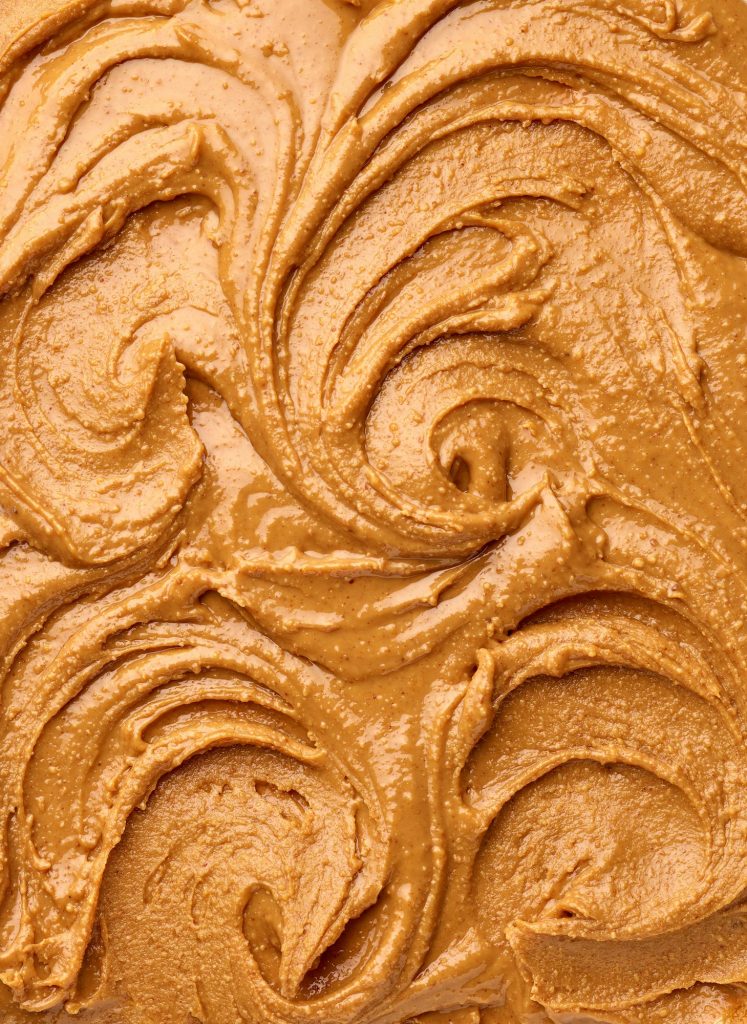
What are the 3 different types of healthy peanut butter?
Peanut butter is a food paste or spread made from ground, dry-roasted peanuts. It commonly contains additional ingredients that modify the taste or texture, such as salt, sweeteners, or emulsifiers. The grocery store shelves are dominated by three varieties of classic peanut butter: crunchy (chunky) peanut butter, creamy (smooth) peanut butter, and natural (organic) peanut butter.
What is the difference between Peanut butter spread and Peanut butter?
The basis for peanut butter and peanut butter spread is the same. Both are made by grinding roasted peanuts into a paste and are enjoyed in the same ways.
The main difference between the two is the added ingredients in peanut butter spread that provide a different taste and texture as well as have an effect on its nutritional value.
In order to be considered peanut butter, it must contain at least 90% peanuts.Anything that contains less than that amount will be considered a peanut butter spread.
Is peanut butter safe for people with peanut allergies?
To prevent a reaction, it is very important that you avoid peanut and peanut products. Peanut butter isn’t for those people who have a weak digestion, who have heat issues like rashes and allergies. If you suffer from such issues, you should limit its consumption to a very small quantity,
Does Peanut Spread taste different than peanut Butter?
Both peanut butter and peanut butter spread have a nutty taste since they are made with peanuts. Peanut butter contains more peanuts than peanut butter spread and will most likely always taste nuttier and more earthy.
Is peanut spread more oily than peanut butter?
100% natural peanut butter is more likely to undergo oil separation and not be as smooth as other varieties with additives. Peanut butter can either be smooth or chunky. Both are thick and spreadable, but the smooth one is creamier since it has been turned into a fine paste.
Is peanut butter spread good for you?
Peanut butter is a good source of monounsaturated and polyunsaturated fats, which support a healthy heart. And peanuts don’t have many carbohydrates, so the spread is perfect for people with prediabetes. Peanut butter also contains omega-6 fatty acid. This fatty acid lowers bad (LDL) cholesterol and increases good (HDL) cholesterol. In addition, peanuts are a natural source of arginine, an amino acid that may prevent heart and vascular disease by promoting good blood vessel function. However, on the flip side, peanut butter contains many calories.
How long does Peanut Butter last?
You can keep peanut butter in the pantry for six to nine months (unopened) and two to three months (opened). Natural peanut butters may last several months unopened, or up to a month once opened. Placing peanut butter in the fridge can extend its shelf life.
Why does my peanut butter separate?
100% Natural peanut butters don’t contain stabilizers like in spreads. The oil in peanuts tends to separate from the peanut solids when sitting on the shelf. The process of oils and solids separating, known as syneresis, is completely safe, but it’s still really irritating. Check your expiry date.
Can you eat peanut butter everyday?
Yes, it’s OK to eat peanut butter every day (in moderation). That means sticking to the recommended serving size of two tablespoons, or close to that amount.
How to use peanut spread?
There are so many ways to use peanut spread! Here are a few excellent tips from Love and Lemons. Also check out their recipe on How to make your own peanut butter at home. :
- Slather it onto a slice of crusty bread.
- Drizzle it over a bowl of oatmeal, granola, or overnight oats.
- Use it as the binder in homemade granola bars or energy balls.
- Make it into a tangy peanut sauce to serve with noodles, spring rolls, or bowls.
- Whisk together a peanut dressing for a summer slaw.
- Blend it into a smoothie for extra protein.
- Make cookies! It works perfectly in chocolate peanut butter no bake cookies, peanut butter cookies, and chocolate chip cookie dough bars.
